20 Employee Management Systems That Truly Work in 2026

Most employee management systems aren’t built for people. They track hours, process payroll, spit out reports… But when it comes to understanding real humans? They fall flat.
Nowadays, people want more. More purpose, more recognition, more trust. And the companies that get this? They win. McKinsey research shows that companies investing in employee experience see significantly higher shareholder returns and customer growth than those that do not.
But most teams still feel disconnected. That’s why you need tools that go deeper. Tools that track mood, invite honest feedback, automate what’s draining your time, and help you lead better in a remote-first world. If you want surveys, recognition, goals, and feedback in one stack, see how Pulsewise fits together before you compare point solutions below.
Everyone claims to be “the best.” So we cut through the noise and handpicked 20 employee management systems that definitely work for real teams, not robots. Let’s get into it.
How do the top employee management systems compare?
| Fit | Tool | Best For | Key Strength | Starting Price |
|---|---|---|---|---|
| 🤝 | HiBob | Mid-large companies | 🎯 Performance + engagement blend | Custom |
| 🏢 | Workday | Large enterprises | ⚡ AI workforce planning | Custom |
| 🏢 | SAP SuccessFactors | Large enterprises | 🎯 Learning + succession planning | Custom |
| 🏠 | BambooHR | Small-mid businesses | 🤝 Simple, 360-degree feedback | $10/user/mo |
| 🚀 | Zoho People | Startups, growing teams | ⚡ Smart automation | $1.25/user/mo |
| 🏢 | ADP Workforce Now | Mid-large companies | 🔄 Payroll + recruitment | Custom |
| 🏢 | UKG Pro | Mid-large companies | ⚡ AI sentiment insights | Custom |
| 🏠 | Gusto | Small businesses | 🔄 Payroll + HR + benefits | $49/mo + $6/user |
| 🏢 | Dayforce | Large enterprises | 🔄 24/7 payroll processing | Custom |
| 🌍 | Oracle HCM Cloud | Global enterprises | ⚡ AI workforce prediction | Custom |
| 💻 | Rippling | Tech companies | 💻 HR + IT unified platform | $8/user/mo |
| 🏠 | GoCo | Small-mid businesses | 📋 Benefits + compliance | $5/user/mo |
| 🌍 | Personio | European SMEs | 📋 EU labor law compliance | Custom |
| 🎯 | ClearCompany | Talent-focused companies | 🎯 Recruitment marketing | Custom |
| 🔄 | Deputy | Retail, hospitality | 🔄 Shift scheduling | $5/user/mo |
| 📊 | Paycor | Mid-sized businesses | 📊 Workforce analytics | Custom |
| 🤝 | Empuls | Engagement-focused | 🤝 Gamification + recognition | $3/user/mo |
| 🤝 | Culture Amp | Culture-focused | 📊 DEI analytics + surveys | Custom |
| 🌍 | Darwinbox | Asia-Pacific | 📋 Multi-country compliance | Custom |
| 🌍 | Keka | Indian startups/SMEs | 📋 Indian labor compliance | ~$4/user/mo |
Legend: 🏢 Enterprise 🏠 Small-mid 🚀 Startup 💻 Tech 🌍 Regional 🤝 Engagement 🎯 Performance ⚡ AI/Automation 🔄 Payroll/Ops 📊 Analytics 📋 Compliance
What should you look for in an employee management system?
Core HR features are table stakes in 2026. Payroll that pays people on time, attendance and time tracking that match how your teams actually work, and leave management that is painless for employees and accurate for payroll are the minimum bar. Employee records, org charts, and document storage belong in the same foundation. If a vendor cannot deliver here, flashier modules rarely rebuild trust.
Employee experience features are where many suites still fall short. Pulse surveys, continuous feedback, peer recognition, and visible goals are what help managers sense engagement, collaboration, and burnout risk before attrition shows up in a spreadsheet. Plenty of platforms bolt on a survey tool without closing the loop from signal to manager follow-up, which is exactly where teams stay stuck.
Integration capabilities deserve the same scrutiny as the demo. Confirm whether the product connects to email, Slack or Teams, finance tools, and your existing HRIS or payroll without fragile CSV gymnastics. Data should move with people, not live in duplicate systems that fight each other.
Scalability is more than a seat count. The same platform should stay coherent as you grow from 50 people to 500, with permissions, approval chains, and localization that still make sense when your org chart adds layers and regions.
AI and automation should shrink admin work, not inflate it. Prioritize smart reminders, assistive drafting for reviews, and routing that shortens approval paths. If the “AI” layer mostly creates new forms nobody finishes, you have added process, not relief.
Reporting and analytics need to drive decisions, not decorate slides. Look for trends executives can stand behind and talking points managers can use in one-on-ones, instead of dashboards that go quiet after launch week.
Tools like Pulsewise focus specifically on the experience and performance intelligence layer that sits above traditional HR systems, connecting listening on pulse surveys, recognition, goals, and performance cycles into one system so people signals turn into action.
Our Top 20 Picks for 2026
Not sure which employee management software is worth your money in 2026? We’ve done the homework for you. This list features 20 of the best tools that help manage teams, boost engagement, and simplify HR headaches.
HiBob
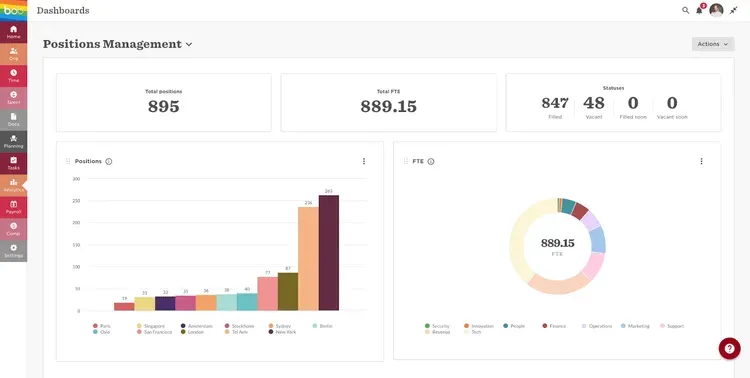
HR system that actually makes your life easier instead of adding more stress. That’s what HiBob brings to the table. Since launching in 2015, it’s been all about smoothing out the chaos, handling vacation tracking, onboarding new hires, and performance discussions without any hiccups. For teams spread across different countries, it quietly takes care of legal compliance in the background, freeing you up to focus on building stronger relationships with your people.
- Who It’s For: Mid-sized to larger companies looking to elevate their HR approach and keep everyone feeling connected.
- What Stands Out: The way it blends performance tools with features that genuinely boost employee engagement.
Workday
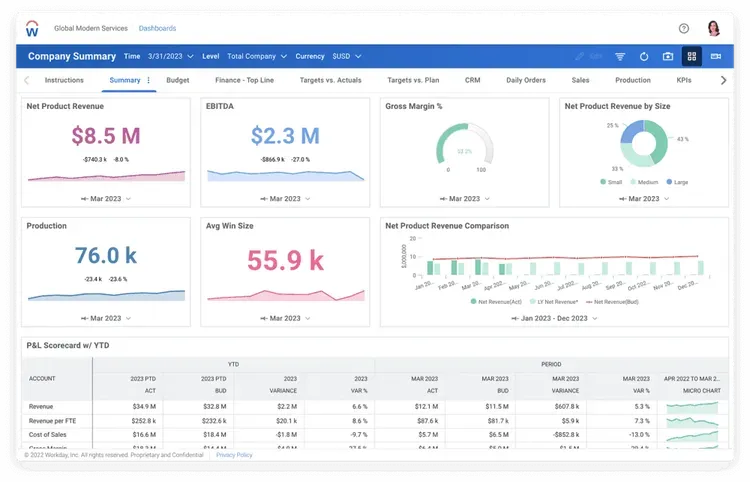
Workday is the go-to for big organizations with a lot on their plate. It pulls together HR, finance, and planning into one seamless cloud-based system. Whether it’s hiring, paying employees, tracking performance, or diving into analytics, it’s got everything covered, especially for teams working across the globe.
- Who It’s For: Large enterprises with global operations.
- What Stands Out: The AI automated workforce planning that makes decision-making a breeze.
SAP SuccessFactors
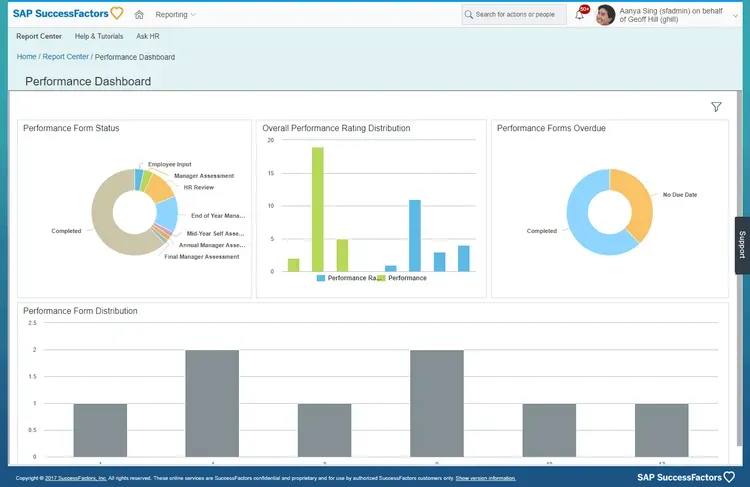
For massive organizations, SAP SuccessFactors delivers in a big way. It’s more than just HR, it covers the entire employee journey, from onboarding to continuous learning and even planning for future leaders. Global companies rely on it because it’s packed with dependable features that never let you down.
- Who It’s For: Huge businesses needing a robust solution.
- What Stands Out: How it ties together learning, goal-setting, and succession planning into one cohesive package.
BambooHR
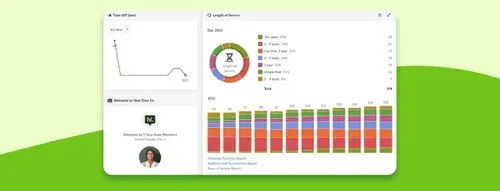
BambooHR feels like a breath of fresh air for smaller teams. It’s straightforward and nails the essentials, employee records, performance reviews, and time-off requests, without overwhelming you with complexity. For businesses that just want HR to work smoothly, this is a fantastic choice.
- Who It’s For: Small to mid-sized companies wanting simple yet effective HR tools.
- What Stands Out: The 360-degree feedback that makes performance reviews more meaningful.
Zoho People
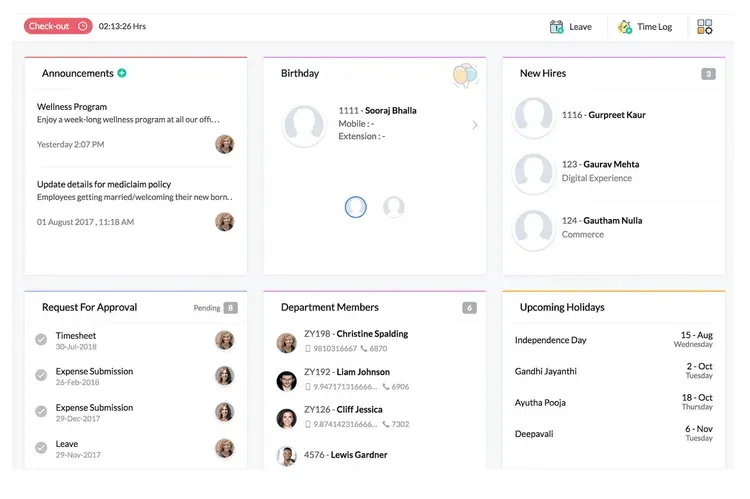
When HR admin starts eating up too much time, Zoho People steps in like a lifesaver. It automates tasks like leave approvals and attendance tracking, and it scales as your business grows. Plus, it integrates seamlessly with other apps, so everything flows without a hitch.
- Who It’s For: Startups or growing companies needing flexible HR solutions.
- What Stands Out: The smart automation that frees up your time for bigger priorities.
ADP Workforce Now
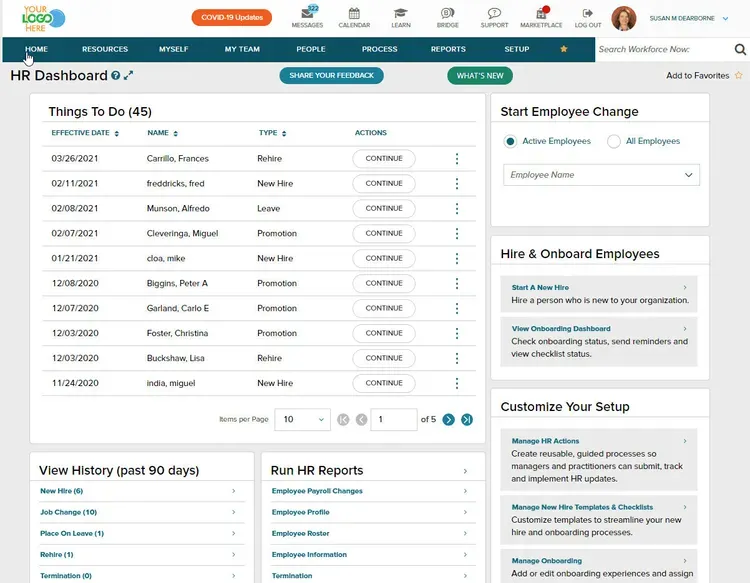
ADP Workforce Now acts as the backbone for businesses that want HR and payroll to run like clockwork. It takes care of salaries, benefits, and time tracking in one place, scaling with you whether you’re a growing company or a larger operation. It’s all about reducing stress so you can focus on your team.
- Who It’s For: Mid-sized to large companies needing a complete HR and payroll solution.
- What Stands Out: The recruitment tools that connect to thousands of job boards, paired with top-notch analytics.
UKG Pro
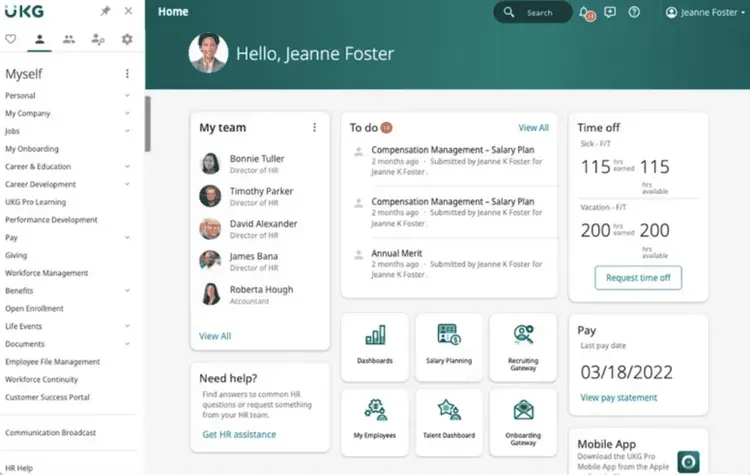
UKG Pro really understands what teams need to feel supported. It goes beyond payroll and HR, using AI to gauge how employees are feeling through surveys and insights. For mid to large businesses aiming to make their workplace more human, this tool is a strong contender.
- Who It’s For: Mid to large companies focused on improving employee experience.
- What Stands Out: The AI automated insights that help you truly understand your team.
Gusto
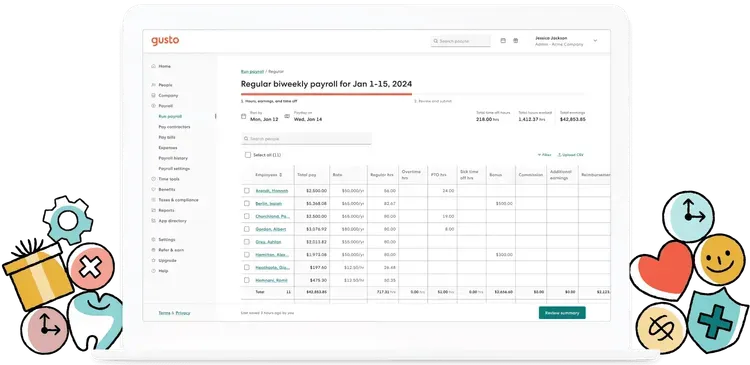
Gusto has won over countless small businesses with its simplicity. It handles payroll, HR, and benefits in a way that doesn’t make you feel like you need a manual to figure it out. From hiring new team members to tracking their hours, it’s all in one spot, with an interface that’s a joy to use.
- Who It’s For: Small to mid-sized businesses who want HR to feel effortless.
- What Stands Out: How it combines payroll, benefits, and HR into a user-friendly package.
Dayforce
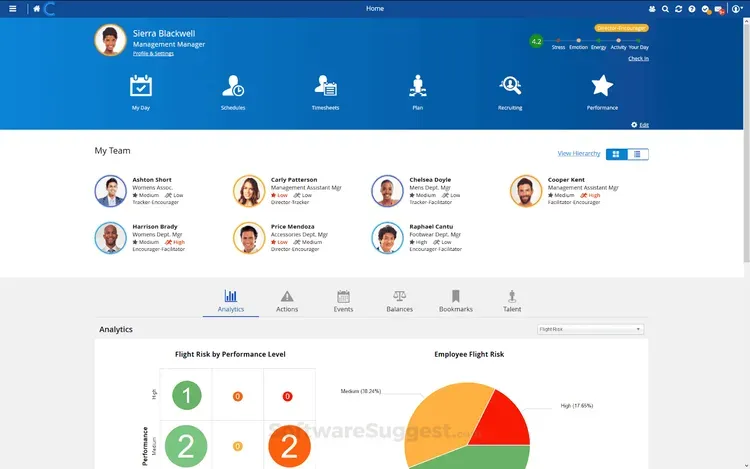
Formerly Ceridian, the company rebranded to Dayforce in early 2024 to unify around its flagship HCM platform. For companies with complex payroll needs, Dayforce is a lifesaver. It runs 24/7 to ensure everyone gets paid on time, no matter how tricky the schedules or compliance rules are. Its Dayforce Co-Pilot, an AI-powered assistant, helps with tasks like drafting development plans and routing approvals. With real-time analytics, you’ll always know what’s happening with your team, making it ideal for large operations with lots of moving parts.
- Who It’s For: Big organizations with complicated payroll demands.
- What Stands Out: The non-stop payroll processing paired with instant insights.
Oracle HCM Cloud
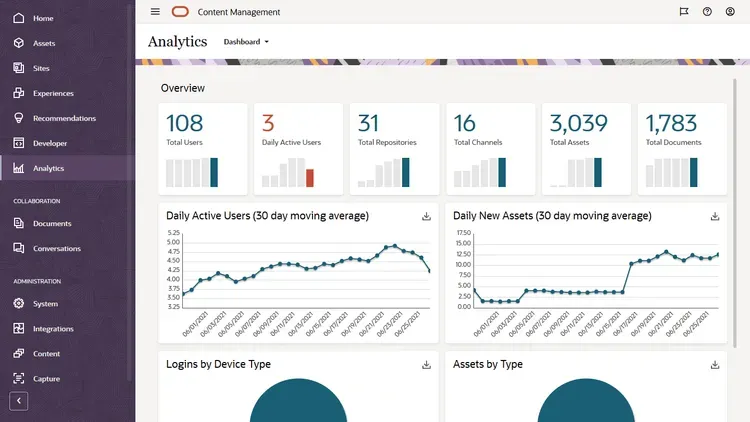
Running a global business comes with big challenges, and Oracle HCM Cloud is built to tackle them. Loaded with AI, it doesn’t just manage your people. It predicts what you’ll need in the future. From hiring to payroll to planning ahead, it keeps everything under control, so you can focus on leading your team forward.
- Who It’s For: Huge companies needing smart, global HR solutions.
- What Stands Out: The AI that helps you plan your workforce with confidence.
Rippling
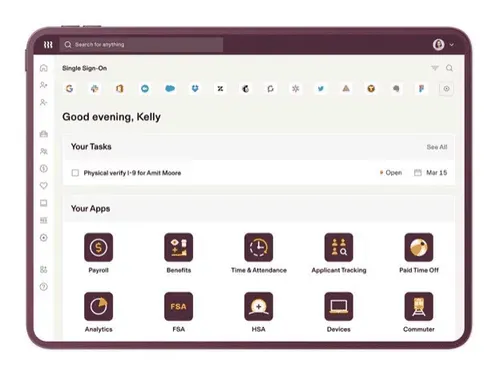
Rippling stands out by blending HR and IT into one seamless platform. It takes care of payroll and benefits, but it also handles tech setup for your team, like setting up laptops and software access. For tech-focused companies, it’s a dream come true because it cuts down on the tools you need to juggle.
- Who It’s For: Tech companies who want HR and IT to work hand in hand.
- What Stands Out: The automated onboarding that includes tech setup for new hires.
GoCo
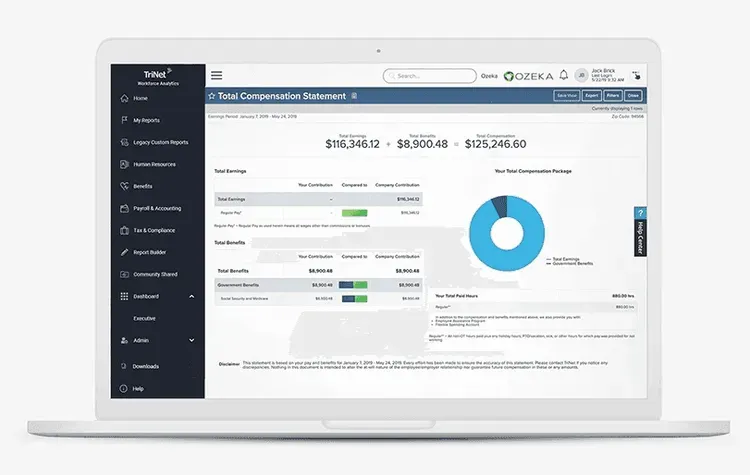
GoCo stepped into the gap left after TriNet sunsetted Zenefits, offering small and mid-sized teams a clean all-in-one HR platform without enterprise complexity. It handles onboarding, benefits administration, payroll, and compliance from a single dashboard. Now part of the QuickBooks ecosystem after its Intuit acquisition, it pairs naturally with teams already running QuickBooks for accounting.
- Who It’s For: Small to mid-sized US businesses (10-100 employees) needing benefits, payroll, and compliance in one place.
- What Stands Out: Strong benefits administration with automated compliance for tax withholdings, I-9s, and multi-state overtime rules.
Personio
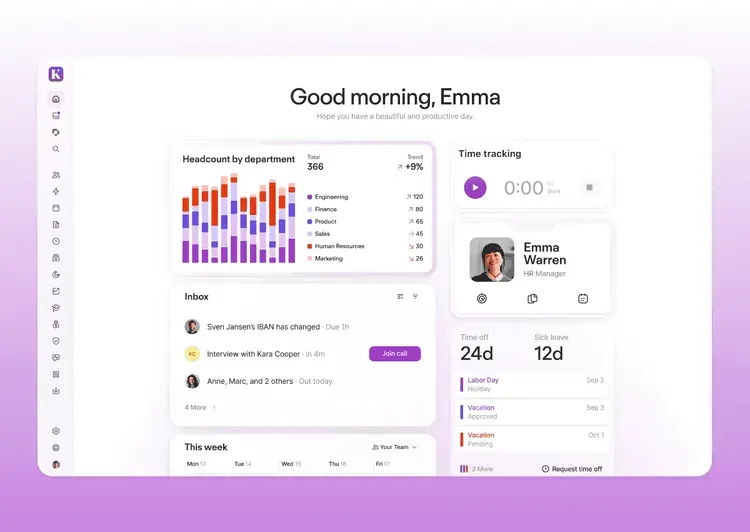
Personio, designed for SMEs in Europe, emphasizes payroll, absence monitoring, and hiring while adhering to local labor regulations. It is a wise option for European startups and expanding companies in need of effective, regional HR help because of its clear interface and centralized HR hub.
- Who It’s For: European SMEs needing recruitment and compliance tools.
- What Stands Out: Localized compliance for European labor laws.
ClearCompany
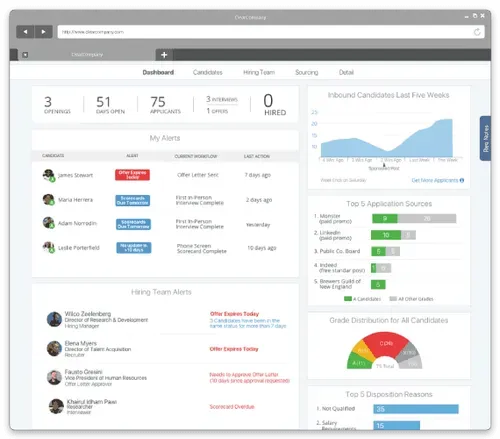
ClearCompany is committed to assisting you in hiring and developing the best personnel. With capabilities like application tracking, recruitment marketing, and constant performance feedback, it assists firms in focusing on development and retention. It’s ideal for firms with organized HR systems that focus long-term personnel development.
- Who It’s For: Companies focused on talent acquisition and development.
- What Stands Out: Recruitment marketing with continuous feedback.
Deputy
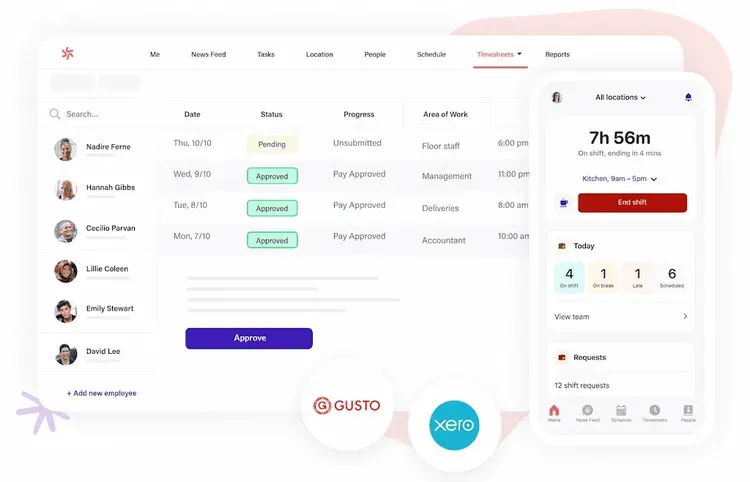
Deputy can help if your team operates on shifts. It is designed for sectors where managing hourly employees is crucial, such as retail, hospitality, and healthcare. Deputy makes managing complicated shifts and real-time attendance much simpler with its mobile applications for clocking in and out, automatic timetables, and compliance tools.
- Who It’s For: Hourly workforce management in retail and hospitality.
- What Stands Out: Automated shift scheduling and mobile time tracking.
Paycor
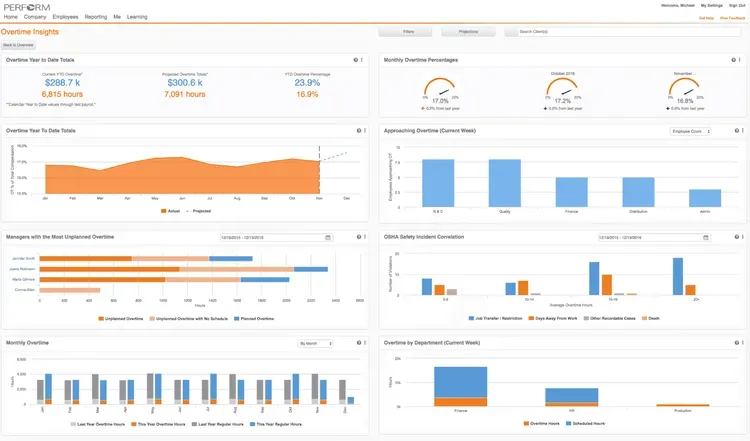
Paycor offers mid-sized businesses a comprehensive suite of workforce analytics and payroll processing services. It connects time monitoring, onboarding, and recruitment, and its robust data enables managers to control personnel expenditures and increase productivity. For companies looking for payroll and HR solutions with data-driven insights, it’s a solid choice all around.
- Who It’s For: Mid-sized businesses needing payroll and analytics.
- What Stands Out: Workforce analytics with integrated HR management.
Empuls
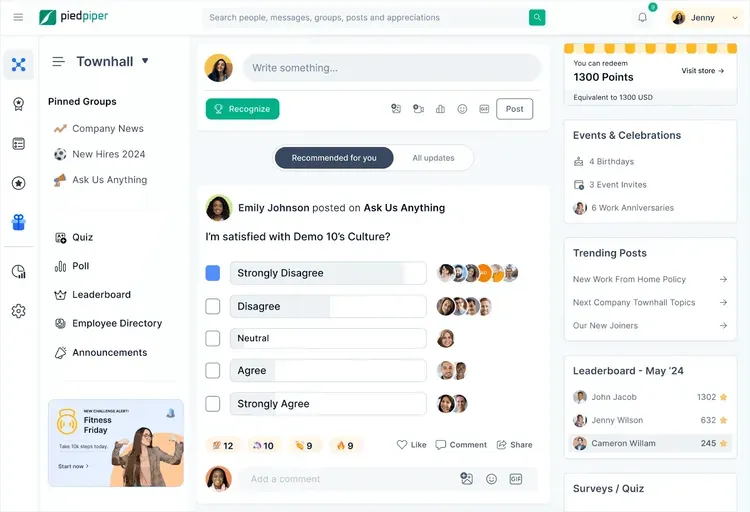
Empuls uses gamified elements to infuse organizational culture with a creative touch on staff engagement. To keep teams engaged and inspired, it combines social technologies with incentives, questionnaires, and feedback channels. Empuls is an excellent choice if your company wants to use engaging, interactive HR technology to encourage teamwork and raise morale.
- Who It’s For: Companies focused on gamified employee engagement.
- What Stands Out: Gamification and social recognition tools.
Culture Amp
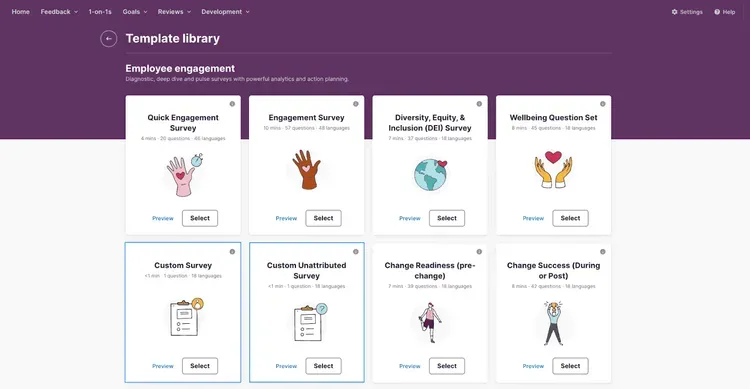
Culture Amp is designed for businesses who wish to expand internally. It leverages strong analytics to support DEI (Diversity, Equity & Inclusion) programs, performance evaluations, and employee surveys. With the support of actual data, the platform assists leaders in developing inclusive, feedback-rich environments. For businesses who are serious about creating quantifiable and significant cultural change, it’s perfect.
- Who It’s For: Companies prioritizing culture and DEI initiatives.
- What Stands Out: Data based surveys and DEI analytics.
Darwinbox
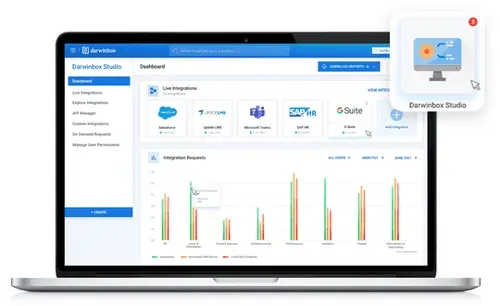
Darwinbox is a comprehensive HCM platform designed for emerging countries, including Asia-Pacific. It is designed to support local compliance and languages in all aspects, from recruiting and payroll to performance and attendance. The worldwide functionality and regional flexibility required to manage a complicated workforce are provided by Darwinbox to multinational corporations operating in several countries.
- Who It’s For: Asia-Pacific companies needing localized HR solutions.
- What Stands Out: Multi-country compliance and multilingual support.
Keka
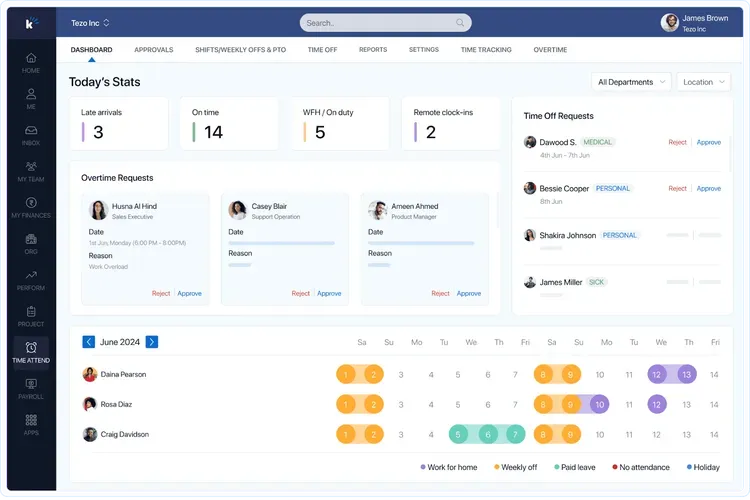
One of the best payroll and HR solutions in India is Keka, which is particularly popular with rapidly expanding tech and product businesses. It addresses compliance, payroll, attendance, and performance management, all tailored to Indian labor regulations. Keka is the preferred option for startups and SMEs seeking scalable, in-house HR technology because of its slick UI and extensive local knowledge.
- Who It’s For: Indian startups and SMEs needing localized payroll.
- What Stands Out: Indian labor law compliance with performance tools.
How much do employee management systems cost?
Pricing runs from genuinely affordable entry points to enterprise contracts that take a spreadsheet to compare. Free tiers and starter bundles show up on platforms like Zoho People, while Gusto and similar payroll-first tools often begin with a modest monthly base fee plus per-employee charges. At the other end, Workday, SAP SuccessFactors, and Oracle HCM Cloud typically price through custom quotes that reflect headcount, regions, and which modules you turn on.
Per-user pricing is the default story for mid-market SaaS. Once you fold in core HR, many teams land somewhere between about $3 and $15 per person per month, before you add payroll processing, advanced time tracking, or premium analytics. Enterprise suites usually anchor on annual agreements, implementation partners, and renewal cycles that reward early clarity about what you are buying.
Hidden costs are the quiet budget killers: data migration, admin training, integration work, and module bundles that looked included in the demo. Ask for line items, not a single lump sum, and model year-two spend before you celebrate a low intro rate.
If you are deciding today, a focused purchase that solves your biggest pain, whether that is scheduling, payroll, or people insights, often beats an all-in-one suite your team will only touch on thirty percent of the features. Land the workflow, earn adoption, then expand the stack once the habits stick.
Final Thoughts
HR tech used to be simple. Just payroll and attendance. But that was yesterday. Today, if your Employee management system can’t keep up with people working from everywhere, missing schedules, or craving real connection, it’s already behind. If engagement measurement matters to you, check how Pulsewise pulse surveys give you daily mood data alongside goal tracking and performance reviews in one platform. This blog walked through everything. From friendly, easy-to-use tools like BambooHR and GoCo to the big players like Workday and Oracle. But no tool is magic for everyone. Your business is unique, so your HR solution should be too. Invest smart, grow with it, and watch how a good system can turn your company culture into something real.
FAQs
What is an employee management system?
An employee management system is software that centralizes HR tasks like payroll, attendance, leave tracking, performance reviews, and employee records into one platform. The goal is to reduce manual work, keep data organized, and give managers and HR teams a clearer picture of how their people are doing. Modern systems go beyond admin tasks and include features for engagement, feedback, and goal tracking.
What is the best employee management software?
It depends on your team size and priorities. BambooHR and Gusto are strong for small to mid-sized businesses. HiBob and Lattice work well for mid-market companies focused on engagement and performance. Workday, SAP SuccessFactors, and Oracle HCM Cloud serve large enterprises with global operations. If your main concern is understanding how work actually feels for your team, Pulsewise focuses on the experience and performance layer that traditional HR systems miss.
How much does employee management software cost?
Prices range widely. Free or low-cost options like Zoho People start at $1.25/user/month. Mid-range tools like BambooHR, Rippling, and GoCo typically fall between $5 and $15/user/month. Enterprise platforms like Workday, SAP, and Oracle use custom pricing that can run into thousands per year depending on org size. Watch for hidden costs like implementation fees, training, and add-on modules.
What are the 4 types of management systems?
The four common types are Human Resource Management Systems (HRMS) for core HR functions, Workforce Management Systems (WFM) for scheduling and time tracking, Payroll Management Systems for compensation processing, and Talent Management Systems for performance, learning, and succession planning. Many modern platforms blend two or more of these into a single suite.
What features should an employee management system have?
At minimum: payroll processing, attendance and leave tracking, employee records, and basic reporting. Beyond that, look for performance review workflows, goal tracking, employee surveys, recognition tools, and AI-powered insights. The systems that stand out in 2026 connect these features into a loop where employee signals lead to manager actions, not just reports that sit in a dashboard.